
5 Things To Do Before Bed That Actually Improve Sleep
Five small protocols, all free, all backed by research. The pre-sleep routine that does the work of half a pharmacy.
Sleep is the master lever. Get it right and almost every other health metric falls into place. Get it wrong and no supplement, fast, training plan, or peptide will save you. The good news: the five highest-leverage pre-sleep moves are all free, all evidence-backed, and take a combined ten minutes to do.
A few notes before we go through them. None of this is medical advice. If you snore heavily, gasp at night, or wake unrefreshed despite long sleeps, get a sleep study before optimising. Sleep apnoea is real, common, and dangerous if missed.
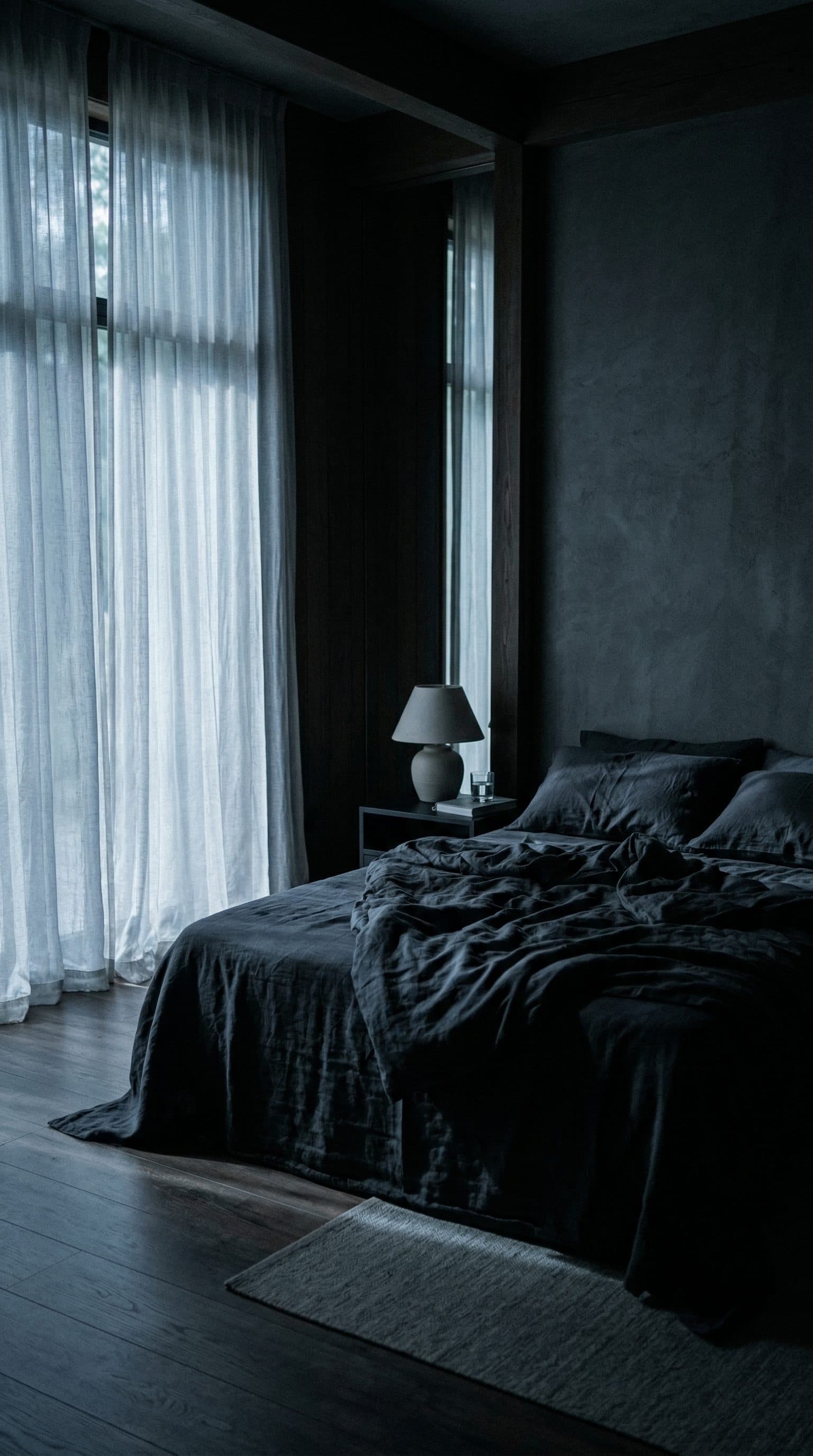
1. Stop eating 3 hours before bed
Evidence: StrongLate-night eating is one of the most under-discussed sleep destroyers. Your body needs core body temperature to drop to fall asleep; late food keeps it elevated. Insulin and glucose stay raised through the night, fragmenting sleep architecture and waking you at 2-3am [4].
The simplest version of this rule: finish dinner three hours before you want to be asleep. Don't snack after. Water, herbal tea, that's it.
If you're hungry an hour before bed, you ate too little or too late. Eat earlier and bigger.
2. Dim every light in the house after sunset
Evidence: StrongBright light in the evening, especially the blue-rich light of overhead LEDs and screens, suppresses your body's melatonin release [2,6]. Melatonin doesn't just make you sleepy; it organises the entire cascade of sleep-stage progression. Suppress it and you get shallow, fragmented sleep even if you log eight hours.
The fix is binary. After sunset, kill the overheads. Turn on warm lamps at eye-level or below. If you must use screens, drop the brightness to its lowest setting and use a warm-temperature filter (Night Shift, f.lux). Better still: read paper.
- What we do: all overheads off two hours before bed; one warm 2700K lamp; phones in another room.
3. Cool the bedroom
Evidence: StrongResearch consistently lands at 16-19°C (60-67°F) as the optimal sleep range for most adults [1]. Most modern bedrooms run at 21°C+, especially in winter when the heating's on overnight.
Cool down. Open a window. Reduce bedding. If your bedroom routinely runs warm, the highest-leverage upgrade you'll ever make is a chilled mattress topper or a bedroom-only AC setting.
The body's thermoregulation is a key sleep-onset signal: make it easy for the body to do.

4. Magnesium glycinate, 200-400mg
Studies suggestMagnesium is involved in over 300 enzyme reactions, including the ones that calm the nervous system, relax muscles, and help your body shift into the parasympathetic ("rest and digest") state [3]. Low magnesium status is one of the most common deficiencies in the developed world.
Glycinate is the form that matters, chelated with the calming amino acid glycine. Avoid magnesium oxide (poorly absorbed) and magnesium citrate (laxative-leaning). Take 30-60 minutes before bed with a small amount of water.
- Dose: 200-400 mg elemental magnesium, glycinate or bisglycinate
- Avoid: late-night magnesium oxide blends, "sleep gummies" loaded with sugar
- Avoid stacking: with zinc at the same time (compete for absorption)
5. Mouth tape
In our experienceThe most controversial item on this list, and probably the most surprising upgrade for most readers. Nasal breathing during sleep filters, humidifies, and warms incoming air, properly engages the diaphragm, and produces nitric oxide that improves oxygen uptake. Mouth breathing does none of these, and is associated with worse sleep architecture and daytime fatigue [5].
A small piece of medical-grade hypoallergenic tape across the lips, vertically, gently encouraging nasal breathing. Mouth breathing is associated with worse sleep architecture in research [5]; mouth taping as a specific intervention is mostly anecdotal at this point. Most people who try it for a fortnight report waking up sharper, with less morning brain fog and less dry mouth.
Critical caveat: if you snore heavily, gasp at night, or have any signs of sleep apnoea, do not tape your mouth. Get a sleep study first. Mouth taping does not fix apnoea; it can make it more dangerous.
- What we use: small vertical strip of medical paper tape across the centre of the lips. Not full mouth-sealing.
- Trial period: two weeks. Most people either love it or hate it after that.
What to skip
| Often-recommended | Why we wouldn't bother |
|---|---|
| Daily melatonin | Useful for jet lag, problematic chronically |
| "Sleep stacks" with 8 ingredients | Most are mostly fillers; you can't tell what's working |
| Camomile tea | Mild calming effect at best; most "sleep teas" are just hot water |
| White noise machines | Personal preference; if you live somewhere quiet, unnecessary |
| Weighted blankets | Anecdotal evidence; some people love them, evidence is limited |
The bottom line
The five-minute pre-sleep routine that does most of the work: dinner three hours before bed, kill the overheads at sunset, drop the bedroom to 17°C, magnesium glycinate 30 minutes before, optional mouth tape. Costs you almost nothing. Outperforms almost any pharmacy intervention.
Start with the bedroom temperature and dinner timing for two weeks. They're free and they'll change your sleep more than you expect.
References
- [1]Effects of thermal environment on sleep and circadian rhythm — Journal of Physiological Anthropology (Okamoto-Mizuno & Mizuno) (2012)
- [2]Exposure to room light before bedtime suppresses melatonin onset — Journal of Clinical Endocrinology & Metabolism (2011)
- [3]The effect of magnesium supplementation on primary insomnia in elderly — Journal of Research in Medical Sciences (2012)
- [4]Time-restricted feeding and metabolic health — Cell Metabolism (2015)
- [5]Mouth breathing and sleep-disordered breathing — Otolaryngology, Head and Neck Surgery (2015)
- [6]Effects of evening light exposure on sleep quality — Sleep Medicine Reviews (2017)
The TFC letter
Get the next one before the algorithm decides for you.
One email when we publish something genuinely useful. Written like this post: cited, honest about the evidence, no spam.
Keep reading
Educational content. Not medical advice. See our terms for the full disclaimer.